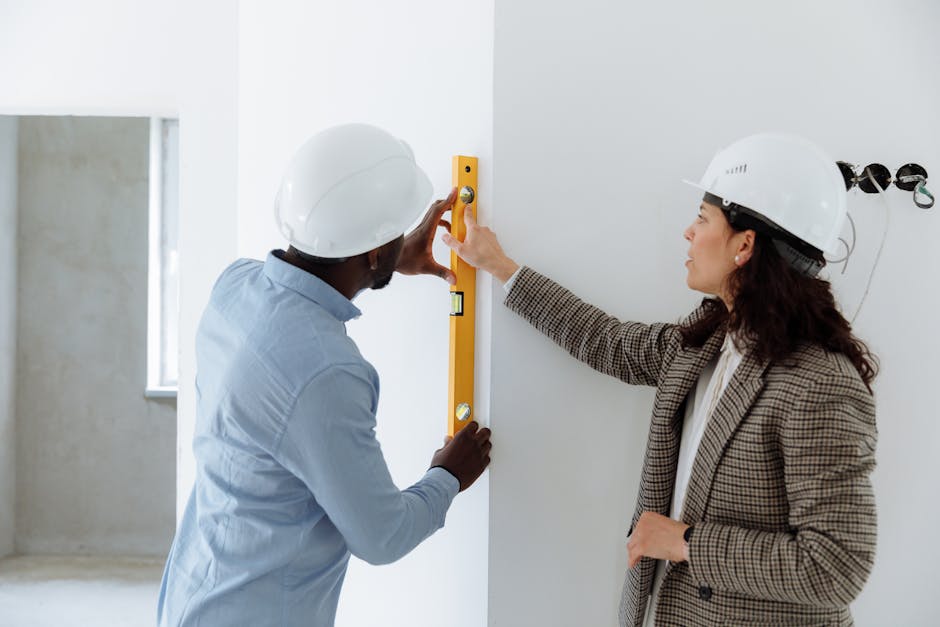
In the rapidly evolving landscape of the Victorian built environment, ensuring the structural integrity and longevity of commercial and multi-residential assets is paramount. However, the complexity of modern builds often leads to the emergence of defects that require specialized intervention. Construction rectification in Melbourne is more than just a repair process; it is a systematic approach to restoring a building’s safety, compliance, and value.
This guide provides a technical and practical roadmap for developers, Owners Corporations, and facility managers navigating the challenges of defective building works in Victoria, emphasizing high-quality remediating project defects Melbourne strategies.
Under the Building Act 1993 (Vic) and the Building Regulations 2018 (Vic), defective work is generally defined as any building work that fails to comply with the National Construction Code (NCC), relevant Australian Standards, or the specific requirements of the building permit and approved plans.
In the context of construction rectification Melbourne, defects are categorized into two primary types:
To be considered "defective," the work must typically demonstrate a failure in workmanship, a failure to use fit-for-purpose materials, or a breach of the implied warranties under the Domestic Building Contracts Act 1995 (which applies to many multi-residential projects).
Before initiating a rectification project, stakeholders should use this checklist to categorize and document issues:
Melbourne’s unique geography and climate—characterized by "four seasons in one day" and highly reactive basaltic clays in the western and northern suburbs—contribute to specific defect profiles.
Melbourne's northern and western corridors often feature highly reactive soils (Class H or E). If footings are not designed or constructed correctly for these conditions, significant slab heave or subsidence can occur, leading to structural cracking. Remediating project defects Melbourne often involves underpinning or slab stabilization to address these foundational failures.
Water ingress remains the leading cause of construction litigation in Victoria. Common failures include:
Following the high-profile cladding audits by the Victorian Building Authority (VBA), fire safety remains a priority. Defects often include the use of combustible Aluminum Composite Panels (ACP) and inadequate fire-stopping in service penetrations between apartments.
Successful construction rectification Melbourne requires a phased approach to ensure that the "fix" does not become a future failure.
The first step is a non-destructive or destructive investigation. This may involve thermal imaging to find leaks, borescope cameras to inspect wall cavities, or "strip-back" testing to see the substrate.
Once the cause is known, a detailed "Scope of Works" is drafted. This document is critical—it ensures all contractors are bidding on the same solution and that the solution meets Victorian compliance standards.
Most significant rectification works in Victoria require a Building Permit. A Relevant Building Surveyor (RBS) must be engaged to issue the permit and oversee mandatory inspections.
This is the physical remediation phase. In Melbourne’s multi-residential sector, this often involves working in "live" environments where residents are still occupying the building.
On completion, the contractor provides warranties, and the Building Surveyor issues a Certificate of Final Inspection.
When remediating project defects Melbourne, compliance is not optional; it is the benchmark for success. The VBA has increased its oversight of the industry, and rectification projects are often under higher scrutiny than new builds.
In Victoria, the Building Surveyor is the gatekeeper of safety. For rectification, they ensure that the proposed solution doesn't just patch the problem but brings the building into alignment with current regulations.
It is a common misconception that all repairs are "maintenance." If the work affects the structural integrity, fire safety, or essential services of the building, a Building Permit is legally required under the Building Act 1993. Failing to obtain one can devalue the property and complicate future insurance claims.
High-end construction rectification Melbourne projects often employ an independent third party to conduct hold-point inspections. This ensures that waterproofing membranes are applied at the correct thickness and that fire collars are installed exactly to manufacturer specifications before they are covered by drywall.
Rectification is inherently more expensive than doing it right the first time. However, strategic project management can control these costs.
Q1: How long is the liability period for defective building works in Victoria?
In Victoria, the Building Act 1993 provides a 10-year period from the date of the Occupancy Permit or Certificate of Final Inspection to bring a legal claim for defective building work.
Q2: Who is responsible for paying for construction rectification?
Generally, the original builder is responsible for fixing defects within the warranty period. If the builder is insolvent, homeowners may be able to claim through Domestic Building Insurance (DBI), though this is usually capped and applies primarily to residential projects.
Q3: Does every repair need a Building Permit?
Not all repairs require a permit, but most "rectification" works—especially those involving structural changes, fire safety, or external cladding—do. Always consult a Building Surveyor to confirm.
Q4: Can we fix only the visible part of the defect?
While tempting to save costs, "patching" often leads to recurrent issues. Victorian standards require that remediating project defects Melbourne must address the root cause to ensure the building remains "fit for purpose."
Q5: What is the role of the VBA in construction rectification?
The Victorian Building Authority (VBA) regulates the industry. They can issue "Show Cause" notices to builders and oversee the statewide cladding rectification program (Cladding Safety Victoria).
Construction rectification Melbourne is a specialized field that demands a blend of forensic engineering, regulatory knowledge, and high-quality craftsmanship. Whether it is addressing waterproofing failures in a Southbank high-rise or fixing structural movement in a northern suburbs commercial warehouse, the goal remains the same: restoring the integrity of the building.
By following a structured process of investigation, ensuring compliance with the Building Act 1993, and engaging experienced professionals for remediating project defects Melbourne, property owners can protect their investments and ensure a safe environment for all occupants. In the world of Victorian construction, quality rectification is the only sustainable path forward.

