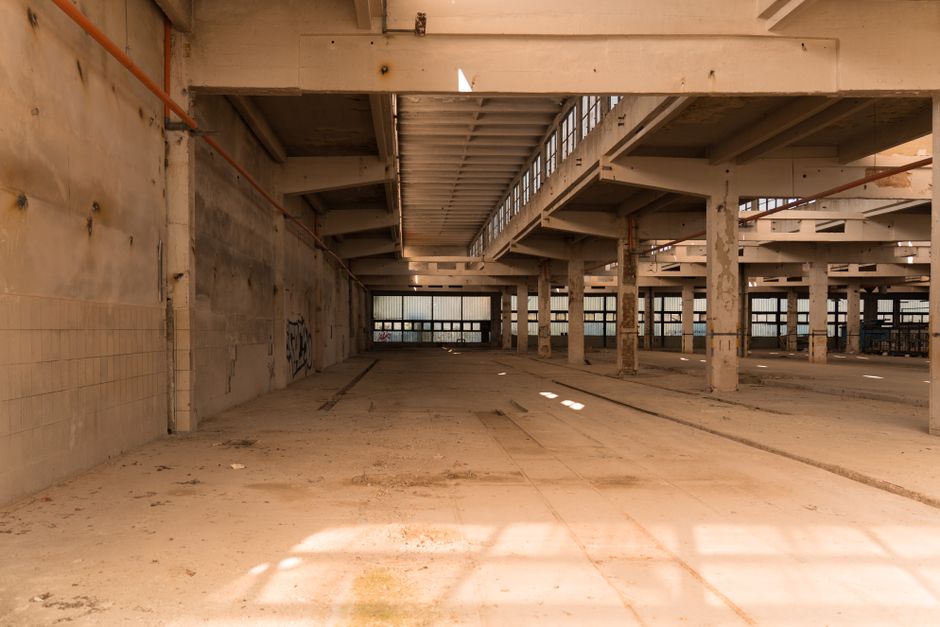
The abrupt abandonment of a commercial construction project is a developer’s nightmare. It’s a situation fraught with financial peril, legal complexities, and immense stress. However, an abandoned site doesn't have to be a lost cause. With a strategic, step-by-step approach, it is entirely possible to navigate the challenges, appoint a new builder, and successfully resume the project.
This comprehensive guide is designed for developers in Melbourne facing the daunting task of a commercial project takeover. We will walk you through the intricate process, from initial site assessment to final completion, equipping you with the practical knowledge needed to transform a stalled project into a success story. Our focus is on providing actionable insights tailored to the Victorian context, ensuring you understand your rights, obligations, and the critical steps involved in how to finish abandoned construction project Victoria.
The 7-Step Project Takeover Plan
Successfully resuming an abandoned commercial construction project requires a methodical, multi-faceted approach. Here’s a detailed plan to guide your commercial project takeover Melbourne.
Step 1: Initial Site Assessment & Documentation
The moment you discover your project has been abandoned, your immediate actions are crucial. This initial phase is about securing the site, assessing the immediate situation, and meticulously documenting everything.
1.1 Secure the Site Your first priority is safety and security. An abandoned site poses significant risks, both to the public and to your investment.
- Immediate Safety Audit: Engage a qualified safety consultant to assess immediate hazards (e.g., exposed rebar, unsecured structures, open trenches, electrical risks).
- Perimeter Security: Implement robust perimeter fencing, CCTV surveillance, and potentially security personnel to prevent unauthorised access, theft, and vandalism.
- Make Safe Works: Address any critical structural or environmental risks that could lead to further damage or injury. This may require immediate, small-scale works under a "make safe" directive, often in consultation with local councils.
1.2 Comprehensive Site Documentation Thorough documentation forms the bedrock of your recovery effort and will be vital for legal proceedings, insurance claims, and engaging a rectification builder Melbourne commercial.
- Photographic and Video Evidence: Capture detailed, timestamped photographs and videos of every aspect of the site. Document the condition of all existing works, materials, equipment, and any visible defects or damage.
- Inventory of Materials and Equipment: Create an exhaustive inventory of all materials (structural steel, concrete, cladding, fit-out items) and equipment left on site. Note their condition, quantity, and location. This is crucial for asserting ownership and assessing the need for new procurement.
- Review Existing Permits and Approvals: Gather all existing building permits, planning permits, and relevant approvals from the Victorian Building Authority (VBA) and the relevant local council in Melbourne. Understand their status, conditions, and expiry dates. Any significant changes to the original scope or design will likely require amendments or new permits, which local councils will scrutinise.
1.3 Engage with Local Authorities Proactive communication with the City of Melbourne or your specific local council is advisable. Inform them of the situation and understand any immediate obligations regarding site safety or permit compliance. They can advise on procedures for amending permits or gaining new approvals for the project’s resumption.
Step 2: Legal & Contractual Review: Your Rights and Obligations in Victoria
Before making any definitive moves, a comprehensive legal review is non-negotiable. This step clarifies your legal standing, rights, and responsibilities, which are paramount for a successful commercial project takeover Melbourne.
2.1 Appoint Specialist Legal Counsel Immediately engage legal professionals with specific expertise in Victorian construction law. They will be critical in navigating the complexities of your situation.
- Contractual Analysis: Your lawyer will meticulously review all contracts: the head contract with the original builder, subcontracts you may be privy to, consultant agreements, and supplier agreements. They will identify key clauses related to termination, default, dispute resolution, warranties, and liquidated damages.
- Termination Procedures: Understand the correct legal procedures for formally terminating the original builder’s contract, ensuring you do not expose yourself to further claims. This is a highly sensitive process in Victoria and must adhere strictly to contractual terms and common law principles.
- Insurance Review: Scrutinise all relevant insurance policies – your project’s construction all-risks insurance, the builder’s professional indemnity, and public liability. Determine if abandonment or resulting damage is covered and initiate claims if applicable.
- Security of Payment Act (Victoria): Your legal team will advise on any implications regarding unpaid subcontractors or suppliers under the Building and Construction Industry Security of Payment Act 2002 (Vic), which can complicate project resumption.
- Liens and Encumbrances: Conduct thorough checks for any liens, charges, or encumbrances placed on the property by unpaid subcontractors or suppliers. Your legal team will advise on how to address these to clear the path for a new builder.
2.2 Understand Your Options Your legal counsel will help you understand the various pathways available, from seeking damages from the defaulting builder to novating subcontracts. This clarity is essential for making informed decisions about how to finish abandoned construction project Victoria.
Step 3: Engaging a Forensic Construction Expert for Damage & Progress Assessment
An unbiased, expert assessment of the existing works is fundamental. This step provides a clear, objective picture of the project's status, quality, and remaining value, informing your strategy for how to finish abandoned construction project Victoria.
3.1 Why Engage a Forensic Expert? A forensic construction expert, such as a building surveyor, structural engineer, or quantity surveyor, provides an independent assessment. They are not beholden to the previous builder or potential new contractors.
- Independent Verification: They will objectively assess the quality and completeness of work performed, identifying defects, non-compliance with building codes (e.g., Victorian Building Act 1993, Building Regulations 2018), and design specifications.
- Extent of Damage and Rectification Costs: The expert will identify any deterioration, damage, or degradation of materials and structures due to exposure or incomplete work. They will provide a detailed estimate of the costs associated with rectifying these issues.
- Value of Work Completed: They will provide an independent valuation of the work completed to date, which is crucial for financial reconciliation, insurance claims, and potential legal action against the previous builder.
- Future Challenges: They can highlight potential latent defects or design flaws that could impact the project’s long-term viability or require significant changes from a rectification builder Melbourne commercial.
3.2 Scope of the Expert's Report The expert's report should be comprehensive, covering:
- A detailed assessment of the existing structure and components.
- Identification of all defects, non-conforming work, and incomplete items.
- Compliance audit against approved plans, specifications, and Victorian building codes.
- Estimated costs and timelines for rectification works.
- Recommendations for necessary remedial actions before work can recommence.
- An assessment of the remaining work required to reach practical completion.
This report will be an invaluable tool for legal proceedings, insurance claims, and for providing a clear scope of works to prospective new builders.
Step 4: Selecting a Specialist Recovery Builder in Melbourne
The choice of your new builder is paramount. You need a contractor with specific expertise in rescuing stalled or abandoned projects, not just a general builder. This is a critical step for your commercial project takeover Melbourne.
4.1 Define the Scope of Works Using the forensic expert's report, develop a detailed scope of works for the remaining construction, including all necessary rectification and completion tasks. This will form the basis of your tender documents.
4.2 New Builder Selection Criteria (Checklist) Finding the right rectification builder Melbourne commercial requires rigorous due diligence.
- Experience in Project Recovery: Does the builder have a proven track record of successfully taking over and completing abandoned or stalled commercial projects in Victoria? Ask for specific case studies.
- Financial Stability: Conduct thorough financial checks to ensure the builder has the capital and liquidity to commit to your project without financial risk.
- Technical Expertise: Do they possess the specific technical skills required for the remaining works, especially if complex rectification or specialized construction methods are involved?
- Safety Record: A strong safety culture and impeccable record are non-negotiable, particularly on a site with existing hazards.
- Victorian Licensing and Compliance: Ensure they hold all necessary licenses and comply with Victorian building regulations.
- Insurance Coverage: Verify they have adequate professional indemnity, public liability, and workers’ compensation insurance.
- Project Management Capabilities: Assess their ability to manage complex projects, coordinate subcontractors, and adhere to revised schedules and budgets.
- References: Contact past clients, particularly those for whom they've completed similar "takeover" projects.
4.3 Tendering and Negotiation
- Invite Select Tenders: Approach a shortlist of highly qualified builders.
- Provide Comprehensive Documentation: Furnish prospective builders with all relevant documents, including the forensic report, original plans (with proposed amendments), existing permits, and the detailed scope of works.
- Structured Tender Process: Implement a clear tender process, allowing ample time for site visits and questions.
- Negotiate a Fair Contract: Work with your legal team to negotiate a new contract that protects your interests. Consider clauses specific to rectification works, unforeseen conditions, and clear performance metrics.
Step 5: The New Builder Onboarding & Project Resumption Process
Once a specialist recovery builder is appointed, the focus shifts to a seamless handover and efficient project resumption.
5.1 Formal Handover & Site Familiarization
- Key Documents for New Builder Handover (Table)
| Document Category | Specific Documents | Purpose |
|---|
| Legal & Financial | Original Head Contract (redacted), Forensic Expert’s Report, Insurance Policies, Bank Guarantees (if any) | Provides context on project history, defect findings, and financial standing. |
| Design & Engineering | Approved Architectural Plans, Structural Engineering Drawings, Services Drawings (MEP), Geotechnical Reports | Essential for understanding the original design intent and structural integrity. |
| Permits & Approvals | Building Permits, Planning Permits, Occupancy Permits (if partially issued), Council Approvals | Confirms legal authorization for construction and highlights any conditions or changes required by local councils in Melbourne. |
| Site & Safety | Existing Safety Plans, Site Inductions, Hazard Registers, Asbestos Registers, Site Photos/Videos (from Step 1) | Ensures the new builder understands existing site conditions, safety requirements, and potential hazards. |
| Consultant Details | Contact details for existing Consultants (Architect, Engineer, Building Surveyor, Project Manager if applicable) | Facilitates continuity of design and technical oversight. |
| Procurement | Inventory of On-Site Materials, Existing Supplier Contracts (if novated), Equipment List | Informs the new builder of available resources and supply chain relationships. |
- Site Induction and Walkthrough: Conduct a thorough site induction with the new builder's team, highlighting all known hazards, existing conditions, and the extent of completed works. The forensic expert should ideally be part of this.
5.2 Review and Amend Permits Your new builder, in conjunction with your building surveyor, will need to review all existing permits.
- VBA Compliance: Ensure all works comply with current Victorian Building Regulations.
- Plan Amendments: If the scope, design, or construction methods have changed significantly due to rectification or design improvements, new plans will need to be submitted to the relevant building surveyor and potentially the local council in Melbourne for approval. This process can add time to the schedule.
5.3 Establish New Project Management Systems Implement robust project management systems for the remaining works.
- Communication Protocols: Set up clear communication channels between the developer, the new builder, consultants, and stakeholders.
- Reporting Requirements: Define regular progress reporting, financial updates, and risk management protocols.
- Quality Assurance: Establish rigorous quality assurance and control processes to ensure the new work meets the highest standards and rectifies any previous issues.
Step 6: Managing Expectations & Timelines for Project Completion
Taking over an abandoned project is inherently unpredictable. Managing expectations, particularly regarding costs and timelines, is vital for success.
6.1 Realistic Budgeting and Cost Control
- Contingency Planning: Assume there will be unforeseen issues. A significant contingency budget (typically 15-25% for recovery projects) is crucial to absorb unexpected rectification costs, material price fluctuations, or latent defects.
- Cash Flow Management: Work closely with your project manager and financial advisors to manage cash flow effectively, ensuring the new builder is paid on time while safeguarding your investment.
- Value Engineering: Explore opportunities for value engineering with the new builder and consultants to optimize costs without compromising quality or functionality.
6.2 Revised Project Schedule
- Develop a New Master Schedule: Based on the forensic report and the new builder’s assessment, develop a realistic and detailed project schedule. This will include time for rectification, material procurement, and the remaining construction phases.
- Identify Critical Path: Understand the critical path items that could cause delays and proactively manage them.
- Stakeholder Communication: Keep all stakeholders (investors, future tenants, lenders) informed of the revised timelines and any significant changes.
6.3 Quality Assurance and Risk Management
- Regular Site Inspections: Maintain a vigilant presence on site through regular inspections by your project manager, building surveyor, and relevant consultants.
- Risk Register: Continuously update a project risk register, identifying potential issues and developing mitigation strategies. This is particularly important for an existing structure where underlying problems may emerge.
Step 7: Final Completion, Certification & Handover
The final stage involves bringing the project to a successful conclusion and ensuring all regulatory requirements are met.
7.1 Victorian Certification and Occupancy Permits
- Final Inspections: The appointed building surveyor will conduct final inspections to ensure all works comply with the Victorian Building Act 1993, Building Regulations, and approved plans.
- Occupancy Permit: For commercial projects, an Occupancy Permit must be issued by the building surveyor before the building can be legally occupied. This process involves ensuring all essential safety measures are in place and meet current standards.
- Compliance Certificates: Obtain all necessary compliance certificates from subcontractors and suppliers.
7.2 Defects Liability Period (DLP)
- Establish DLP: A Defects Liability Period (typically 12 months) will commence upon practical completion, during which the new builder is responsible for rectifying any defects that emerge.
- Defect Management: Implement a clear process for identifying, reporting, and rectifying defects during this period.
7.3 Project Handover & Financial Closeout
- Operations & Maintenance Manuals: Obtain all relevant manuals and documentation for the building's systems and equipment.
- As-Built Drawings: Ensure you receive complete as-built drawings reflecting any changes made during construction.
- Final Account Reconciliation: Work with your financial team to reconcile all final accounts, make final payments to the builder (releasing retention as per contract), and close out all financial aspects of the project.
FAQ: Taking Over an Abandoned Commercial Project in Melbourne
Q1: Can I use the old plans and permits, or do I need new ones? A1: You might be able to use existing plans, but they must be reviewed by your new builder and building surveyor for compliance with current Victorian Building Regulations and suitability for the remaining work. Any significant design changes, structural alterations, or if the original permits are expired or non-compliant with current standards, will necessitate submitting amended plans or applying for new permits through the relevant building surveyor and potentially your local council in Melbourne.
Q2: What about existing defects or non-compliant work from the previous builder? A2: Addressing existing defects is a primary function of a rectification builder Melbourne commercial. A forensic expert (Step 3) will identify these. Your new builder's scope of work will explicitly include rectifying these issues to bring the project up to standard and compliance with Victorian codes.
Q3: How long does a commercial project takeover process typically take? A3: The timeline varies significantly based on the project's complexity, the stage of abandonment, the extent of damage, and legal issues. The initial assessment and legal review (Steps 1-3) can take weeks to months. Appointing a new builder (Step 4) might take another 2-4 months. The actual construction resumption (Steps 5-7) will then follow a revised project schedule. Be prepared for a longer overall project duration than originally planned.
Q4: What if the previous builder still owes money to subcontractors or suppliers? A4: This is a significant legal risk. Your legal counsel will investigate this under the Building and Construction Industry Security of Payment Act 2002 (Vic). You may be exposed to claims, or existing liens on the property could complicate the takeover. It's crucial not to re-engage these parties without legal clearance, as you could become liable.
Q5: Will my original construction insurance policy still cover the project? A5: It depends on the terms of your policy. Many construction all-risks policies have clauses regarding abandonment or cessation of work. You must immediately notify your insurer of the situation. Your legal team and insurance broker will assess coverage and advise on necessary adjustments or new policies for the resumed project.
Q6: Can I use the materials or equipment left on site by the previous builder? A6: You can, provided you have clear legal ownership of them. Your legal counsel will advise on how to assert ownership based on your contract terms. An inventory (Step 1) and assessment by your forensic expert (Step 3) will determine if these materials are fit for purpose, undamaged, and comply with specifications before reuse.
Q7: What is the role of the local council in Melbourne in this process? A7: Local councils in Melbourne play a crucial role in planning permits, certain local environmental regulations, and sometimes in monitoring building safety. While the VBA and private building surveyors handle building permits and compliance with the Victorian Building Act, councils will be involved if you need to amend your planning permit or if there are specific local overlays or heritage considerations affecting your site. Proactive communication is always best.
Conclusion
Taking over an abandoned commercial construction project in Melbourne is undeniably one of the most challenging situations a developer can face. However, by adhering to this structured, seven-step guide, you can systematically address the complexities, mitigate risks, and steer your project back towards successful completion. The key lies in immediate action, meticulous documentation, expert guidance in legal and forensic assessments, and the strategic selection of a specialist rectification builder Melbourne commercial.
While the path ahead may be demanding, with the right approach and a dedicated team, your abandoned project can be transformed from a liability into a valuable asset. The journey to how to finish abandoned construction project Victoria is complex, but with expert support and a robust plan for commercial project takeover Melbourne, success is within reach.
Ready to turn your abandoned project around?
Contact our expert team today for a tailored recovery plan for your abandoned project in Melbourne.